THE FORBIDDEN TOMB
FULL PLAYTHROUGH VIDEO
Platform: PC/Windows.
Game Engine: Unreal Engine.
Project Length: 4 Weeks.
Description:
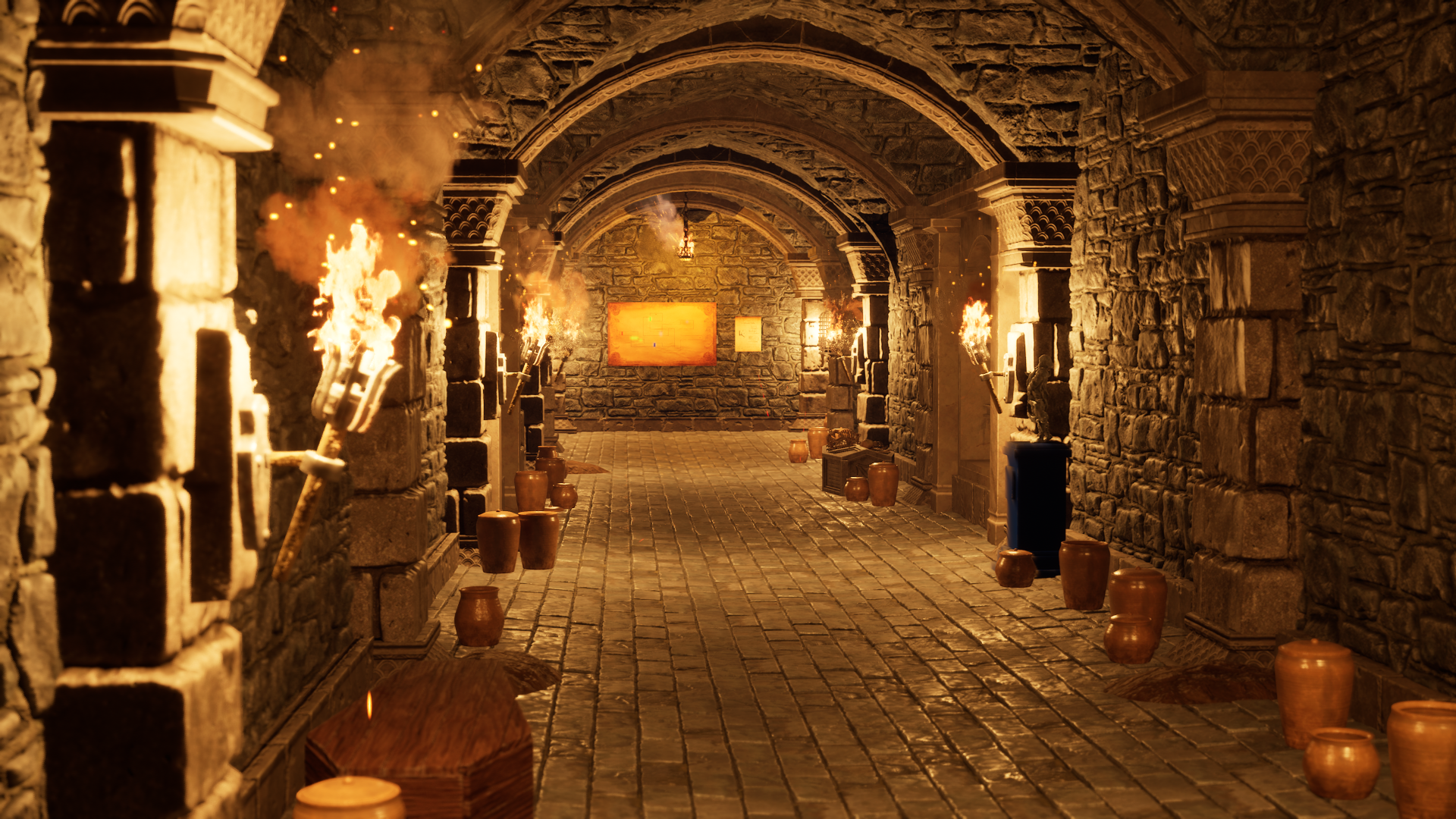
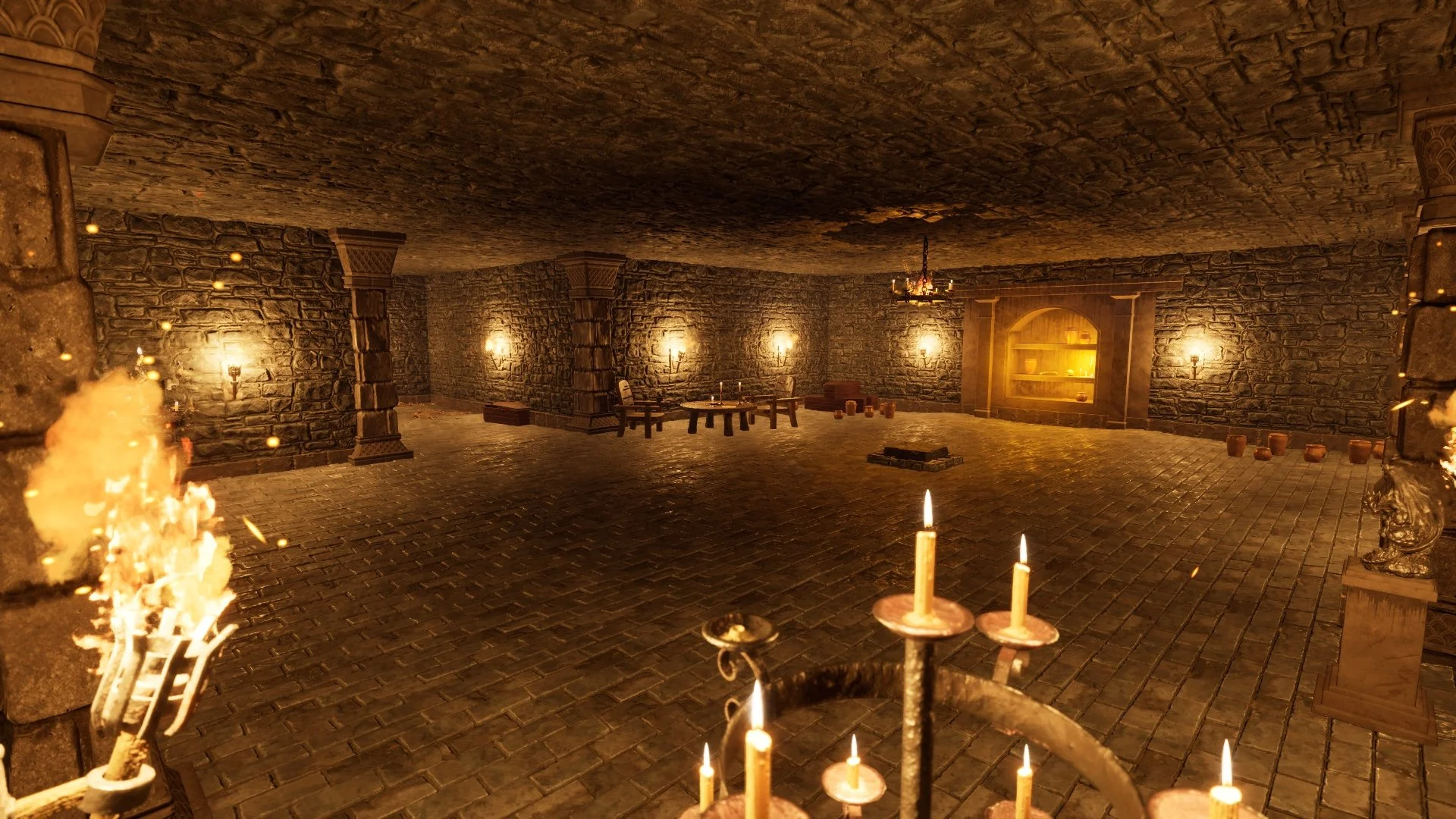
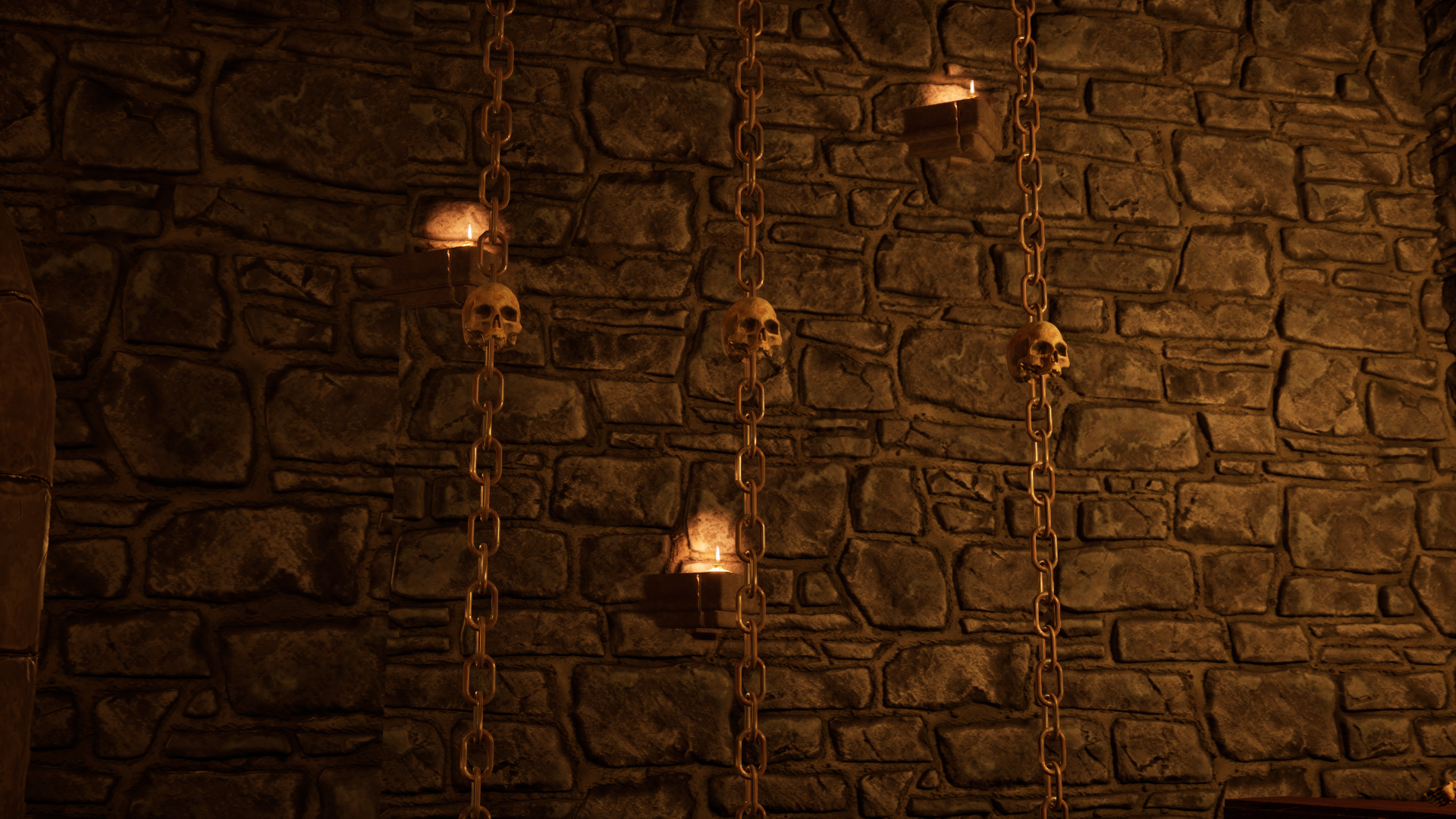
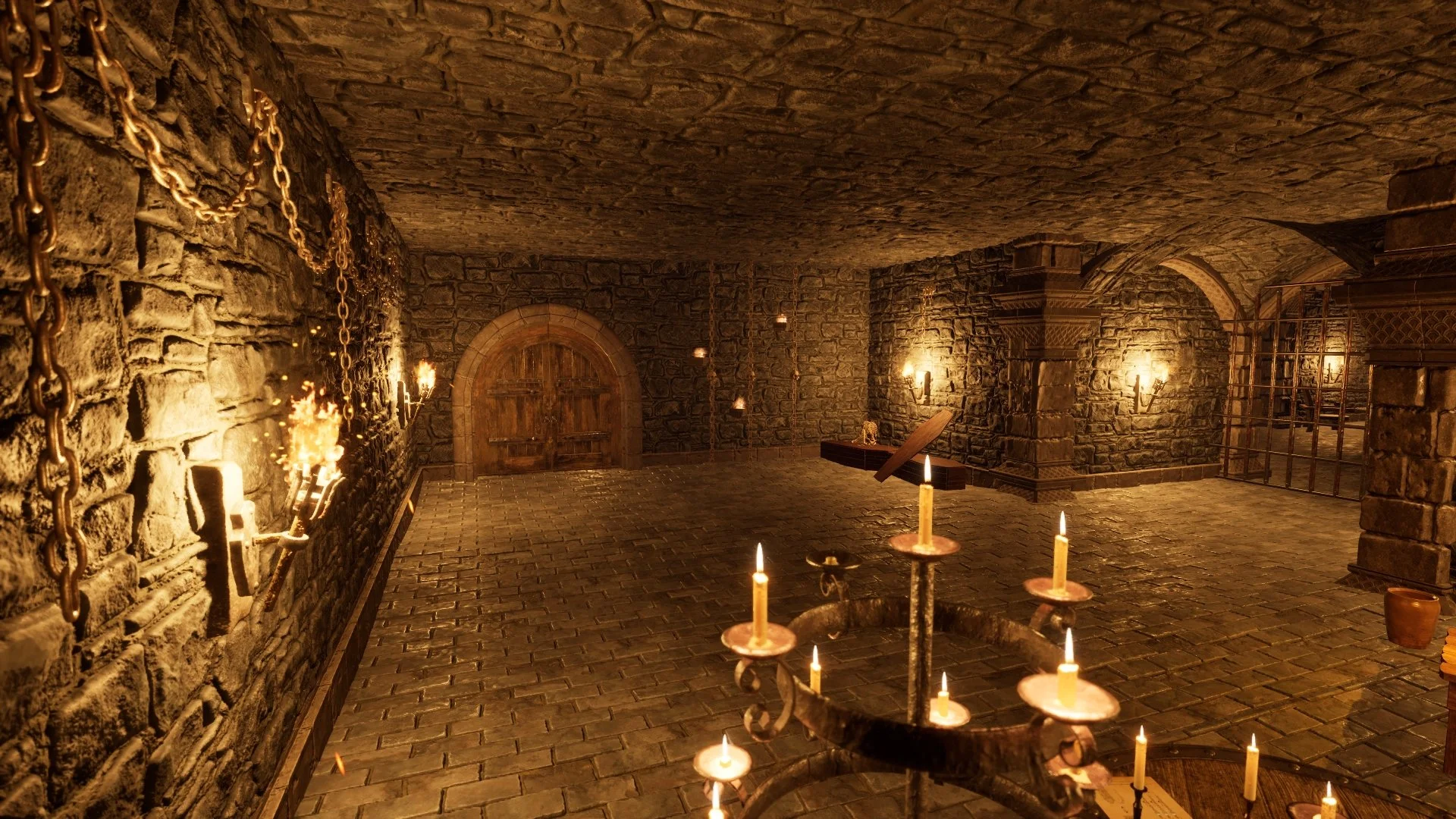
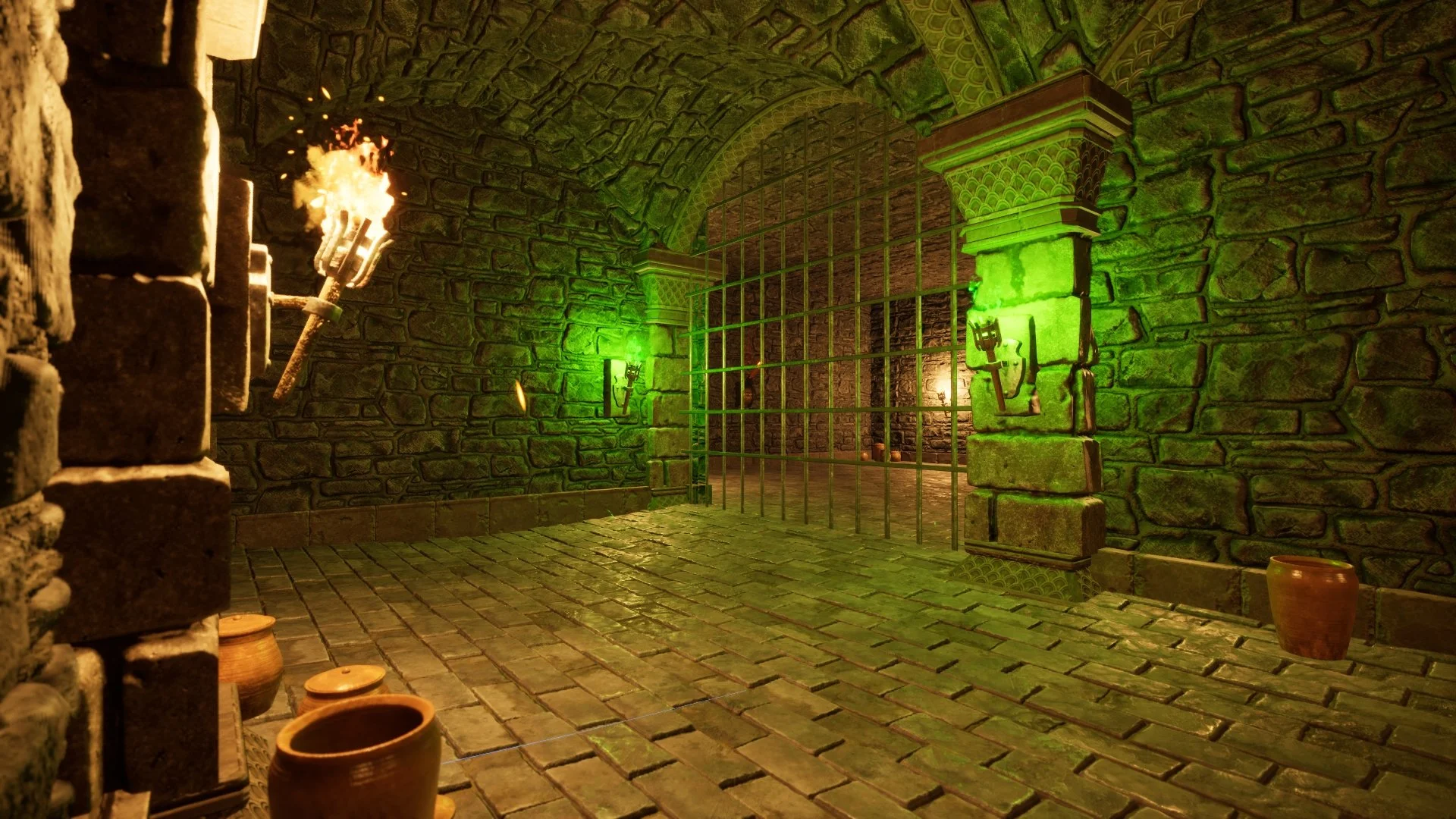
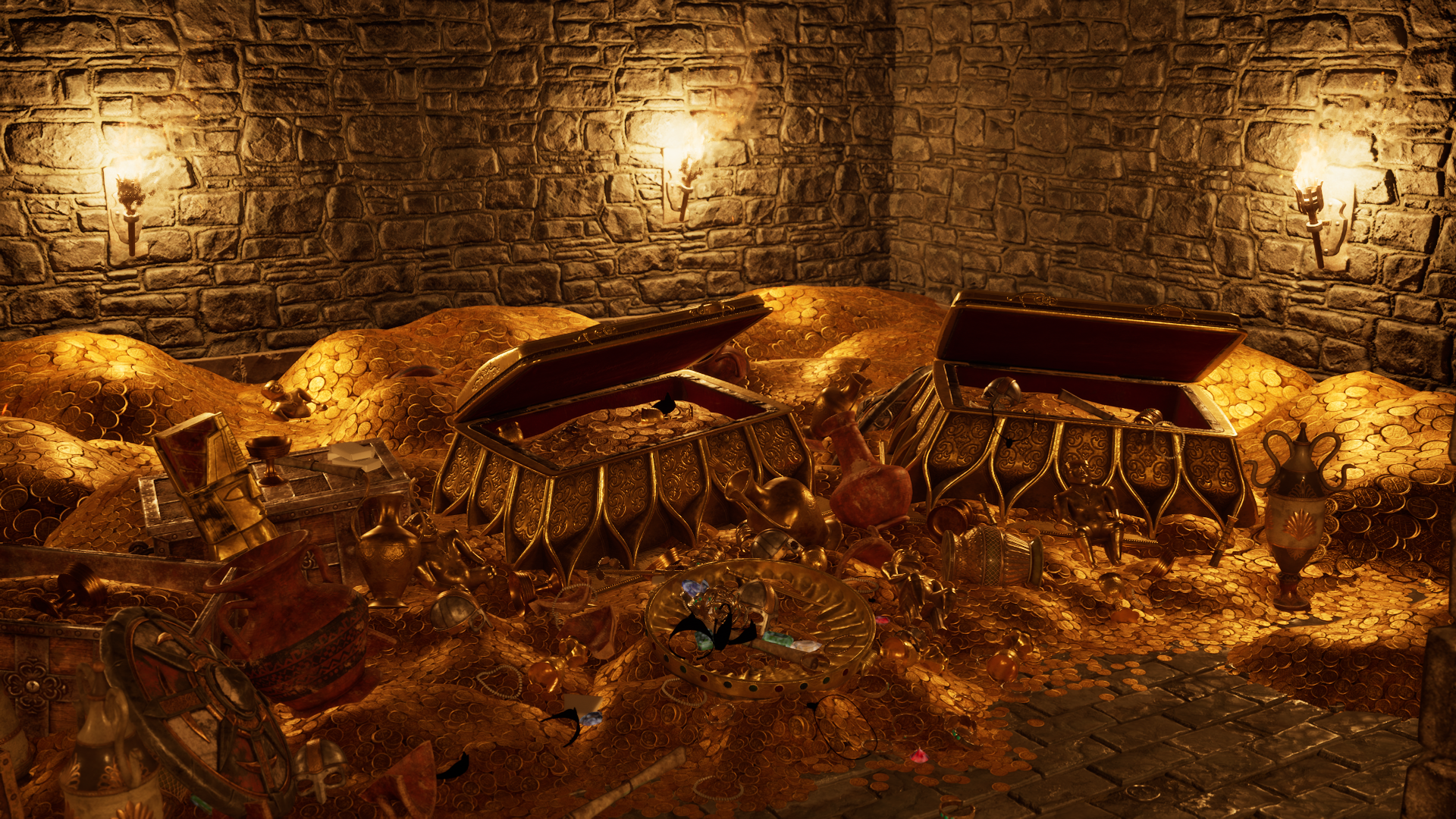
The Forbidden Tomb is a single-player, dungeon-themed escape-room adventure built in Unreal Engine 5, offering a thrilling puzzle-driven experience inspired by the game We Were Here. With cinematic storytelling, detailed environment art, and creatively designed challenges, players venture deep into an ancient tomb filled with secrets and danger. The game is designed for a fun, immersive experience, every moment pushes players to think, explore, and enjoy the thrill of mechanics and cinematic experience.
Environment: Medieval Dungeon (FAB)
HOW I MADE IT?
CMD+SCROLL OR CTLR+SCROLL - ZOOM IN AND OUT.
RIGHT CLICK - NAVIGATE AROUND THE BLUEPRINT.
FULLSCREEN - SIMILAR INTERACTION TO UE BLUEPRINTS.
PLAYER CHARACTER AND CONTROLLER
DESCRIPTION:
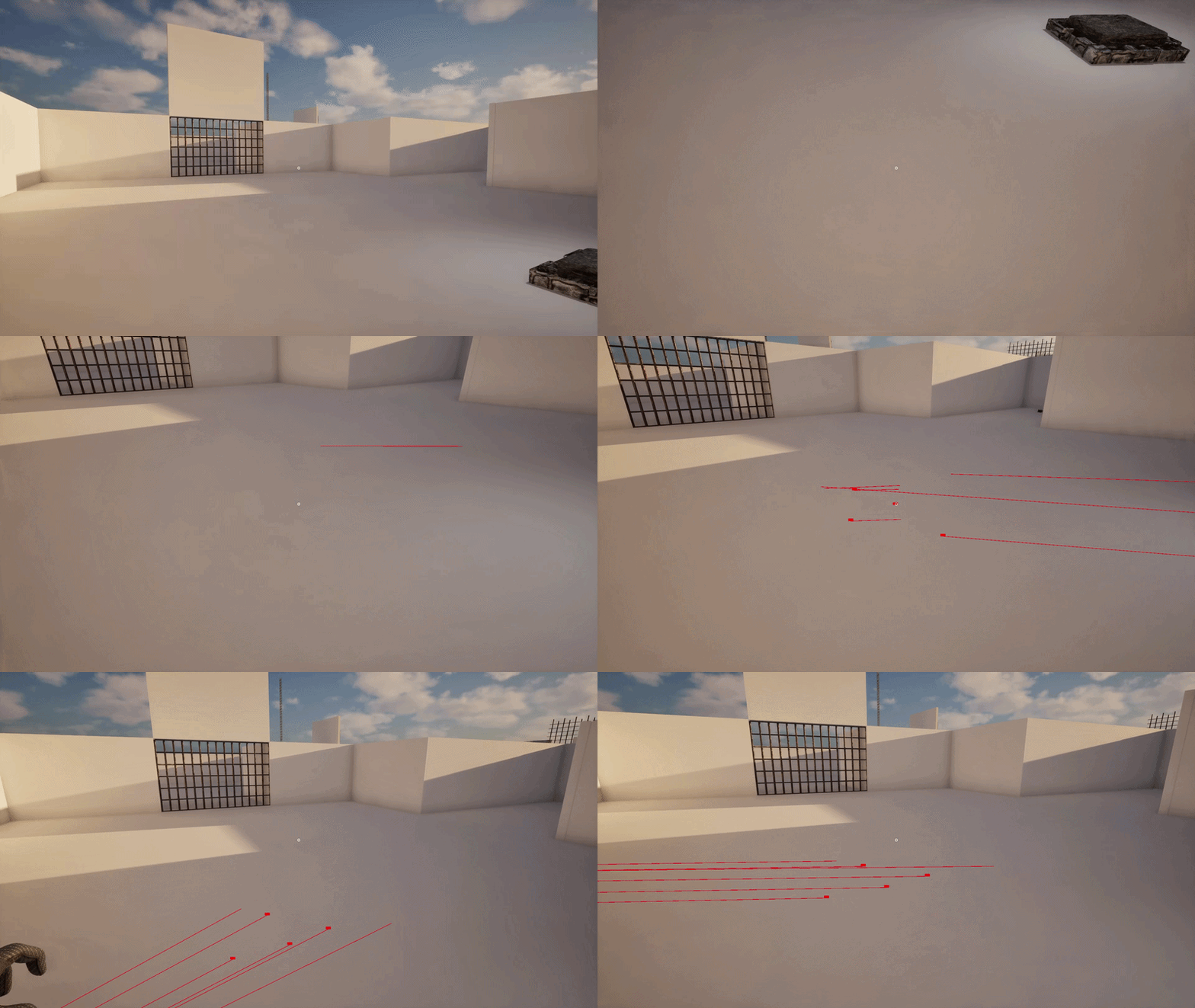
All the movement and interaction logic is implemented in the player character and player controller. The player in this game has basic movement abilities such as move, jump, look around, and interact with line traces.
PUZZLE 1 - PRESSURE PLATE AND GATE
PRESSURE PLATE
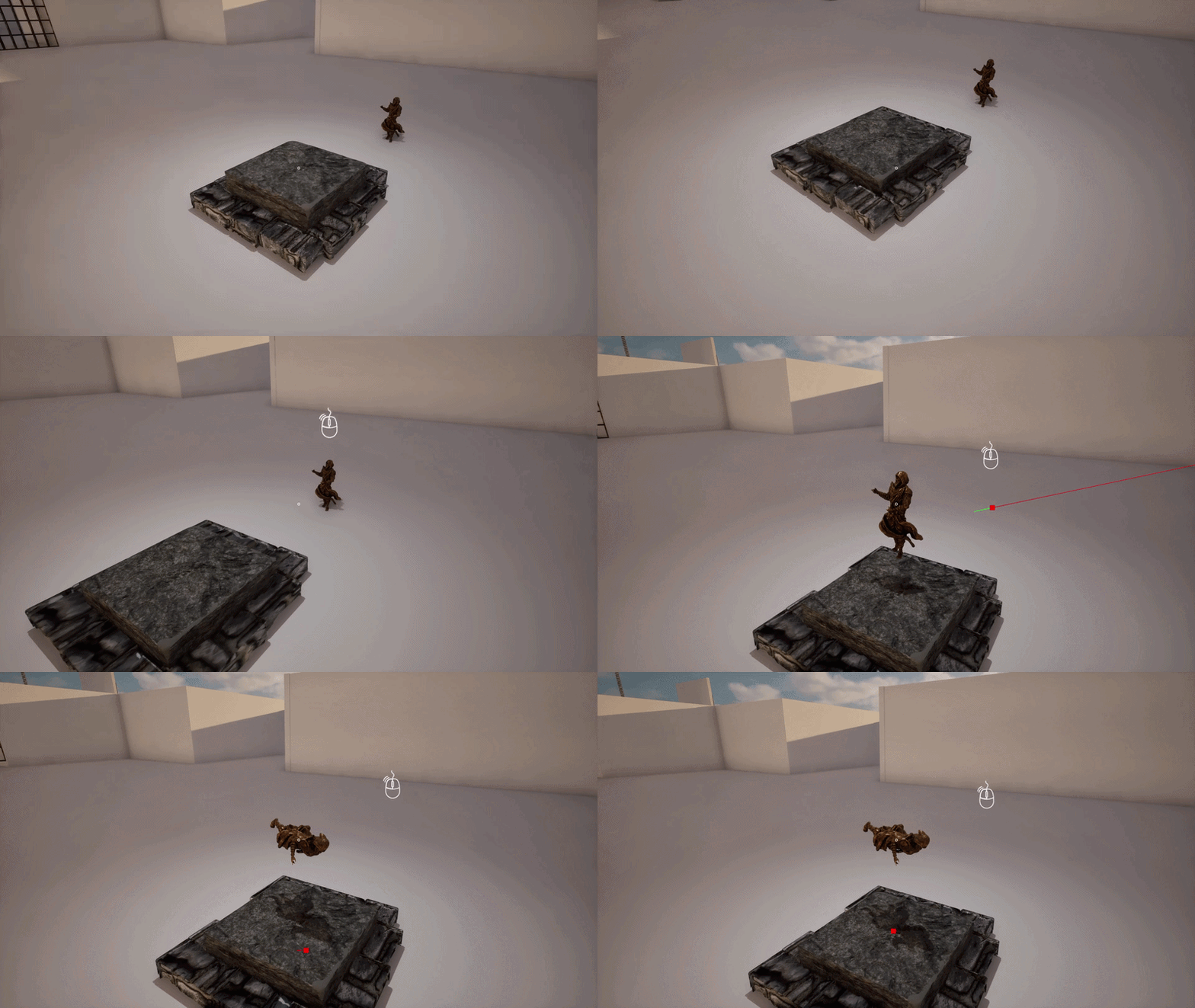
PRESSURE GATE
DESCRIPTION:
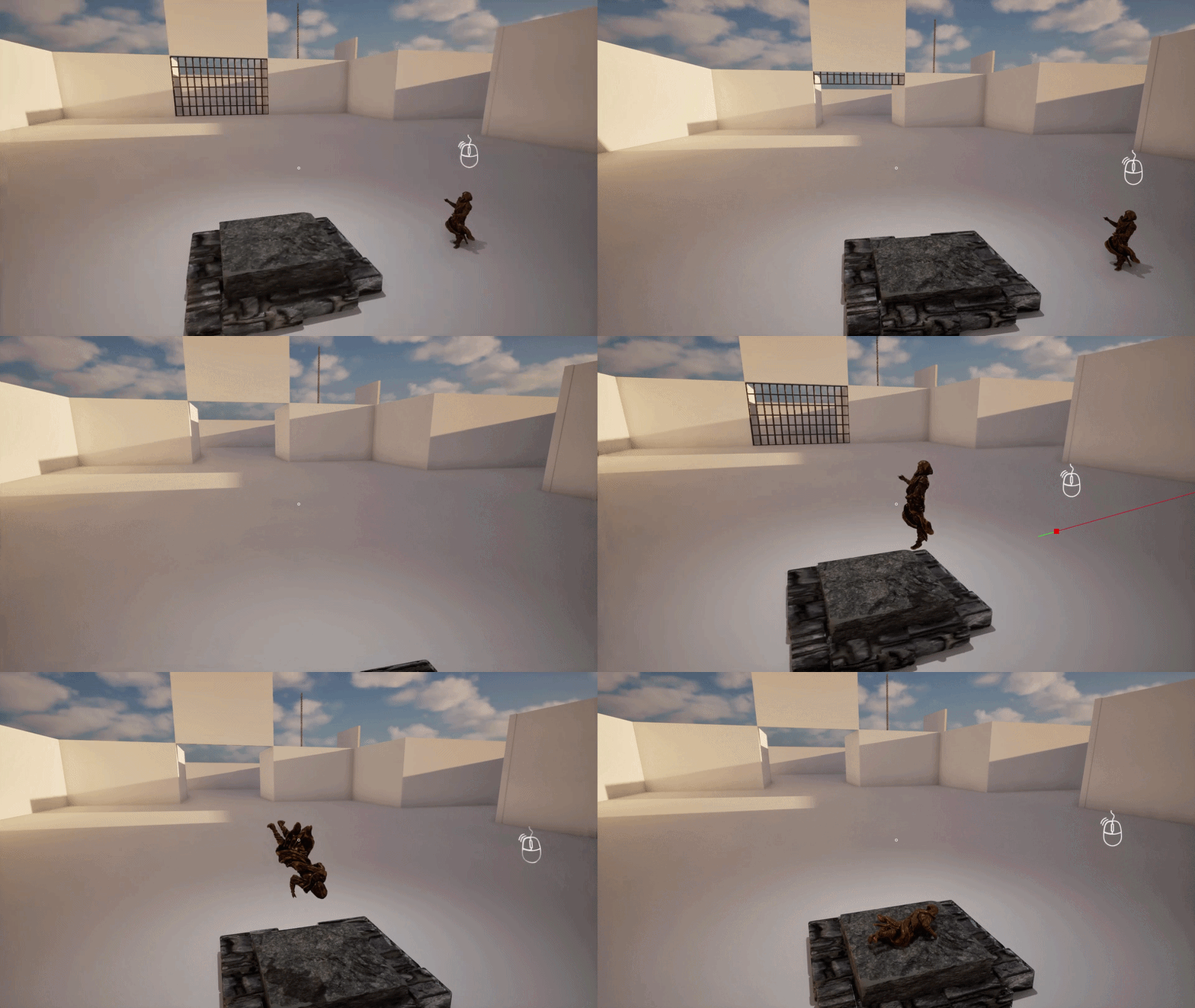
This system is built around a pressure plate that detects when the player or a specific object is placed on it. It uses overlap events to check the actor and validates it using tags, so only the correct object or player interaction can trigger the gate. Once the condition is met, the gate opens, and if the actor leaves the plate, it can update the state accordingly.
PUZZLE 2 - CHAIN UNLOCK
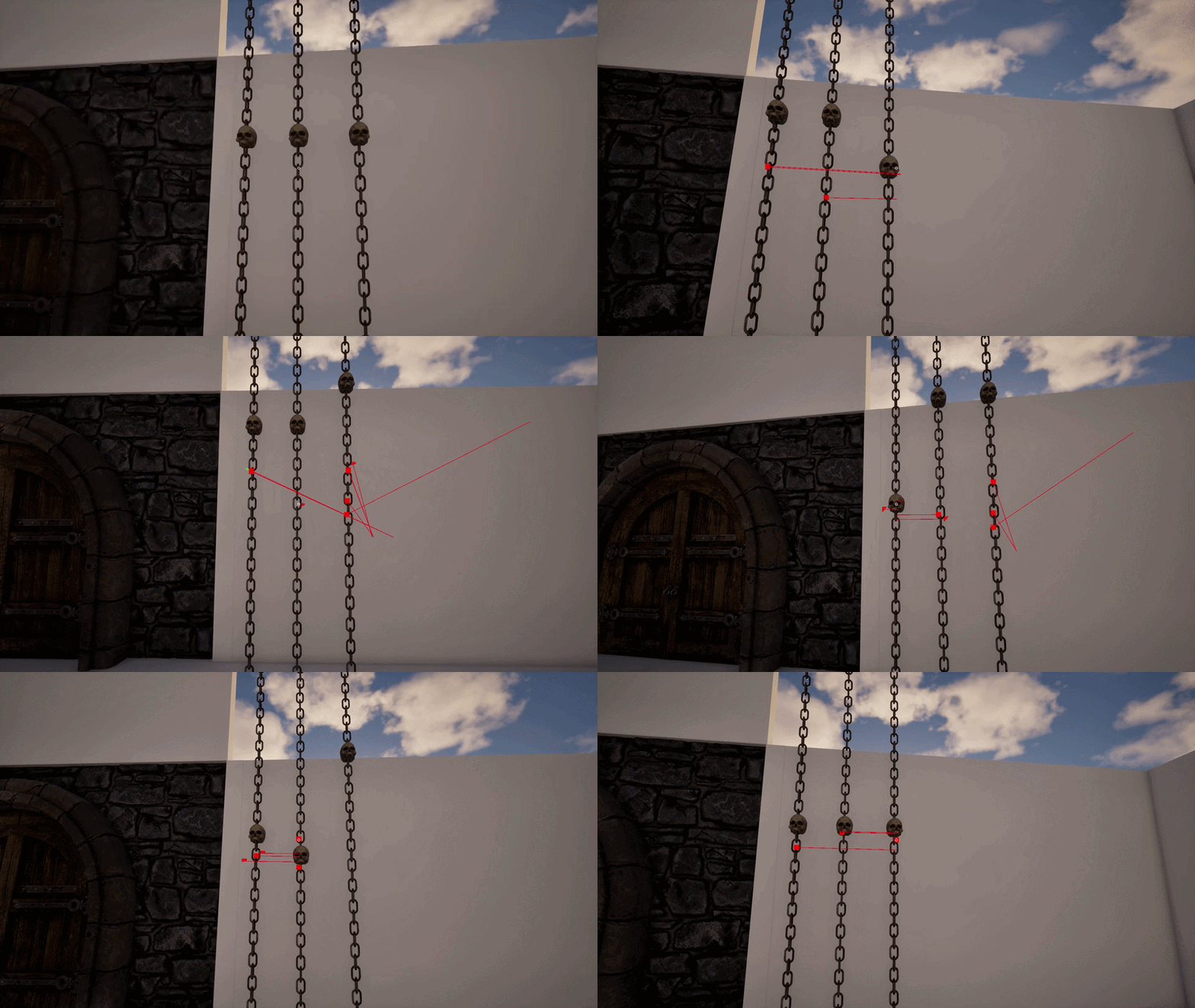
CHAIN PUZZLE
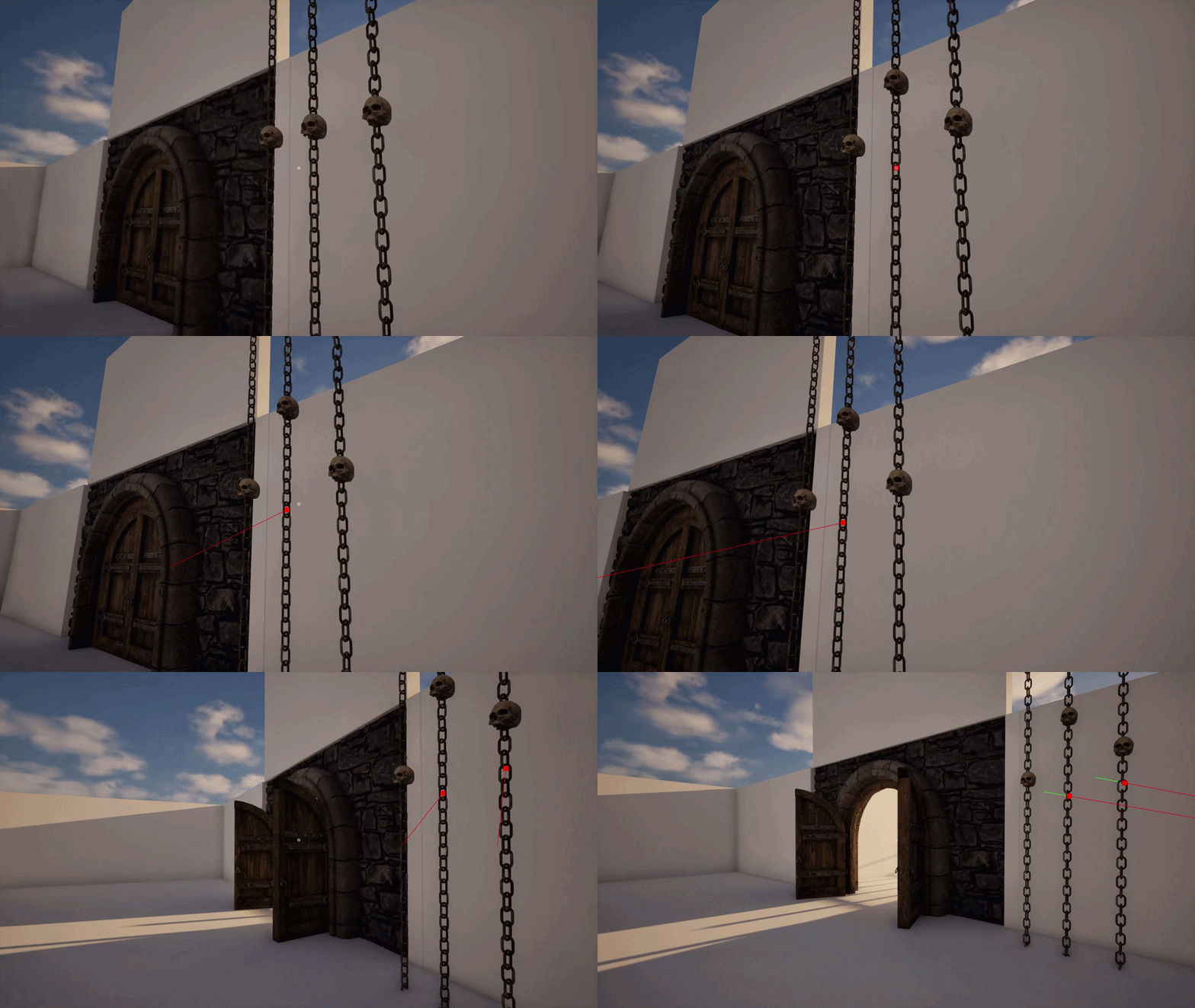
CHAIN GATE
DESCRIPTION:
This system allows the player to interact with multiple chains and place each one at a specific position to progress. Every chain updates a shared state, and the gate checks this condition to determine if everything is correctly set. The gate only opens when all chains are placed in their correct positions, making the interaction feel clear and intentional. The logic is handled through Blueprints in a clean, modular way, so each chain works independently while still contributing to the overall system. This makes it easy to reuse the setup in other levels or expand it with more chains or different conditions without breaking anything.
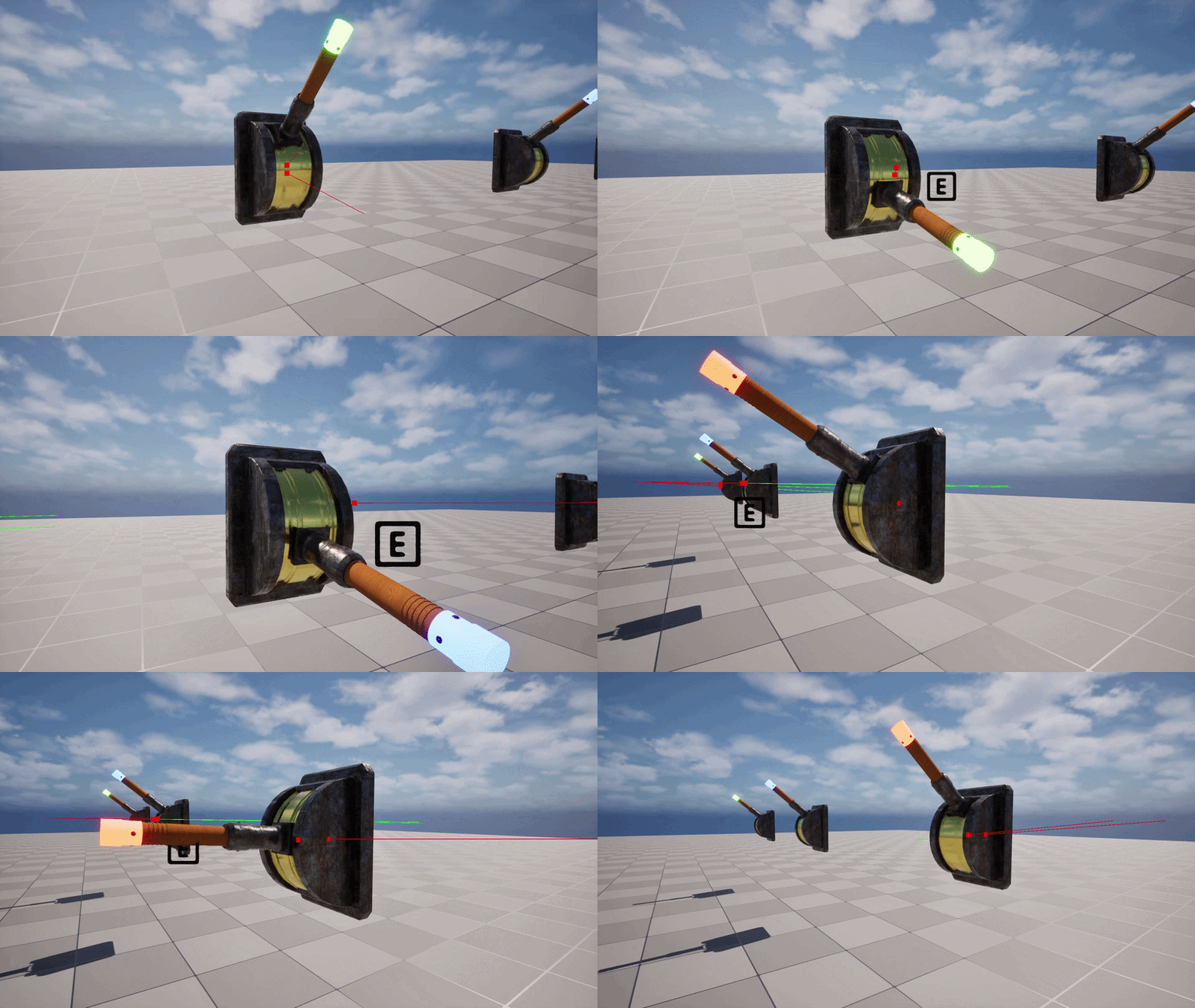
PUZZLE 3 - LEVER AND GATES
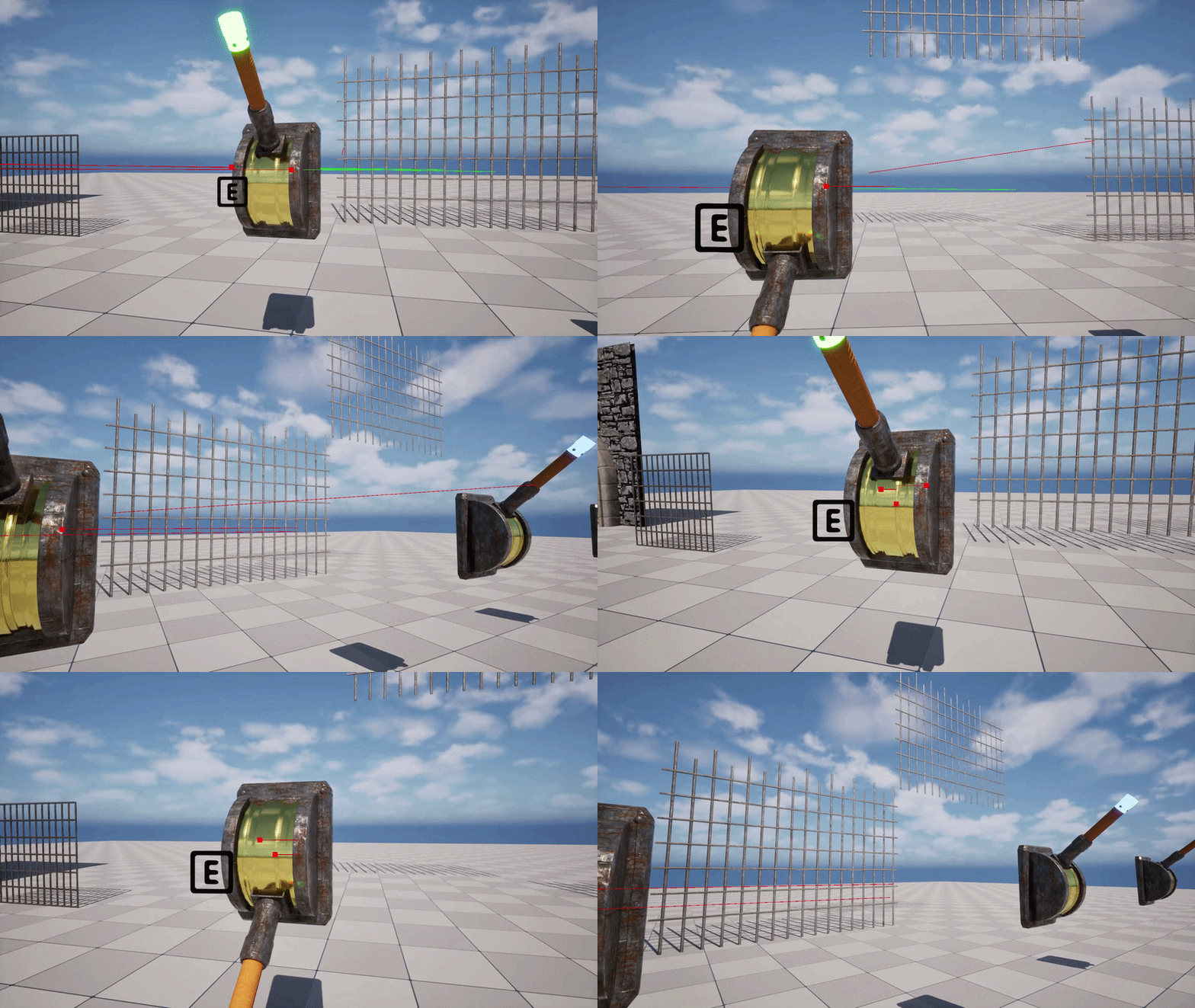
LEVER PUZZLE
LEVER GATES
DESCRIPTION:
This system is built around multiple levers, where each lever is connected to two gates and controls both of them at the same time. When the player interacts with a lever, one gate opens while the other closes, creating a dynamic setup where the player has to think about which lever to activate. The logic is handled through Blueprint interactions, where each lever directly updates its linked gates, making the behavior clear and easy to manage. The system is modular, so more levers and gate combinations can be added without changing the core setup, and designers can easily tweak which gates are affected by each lever.
PUZZLE 4 - RING IN PLACE
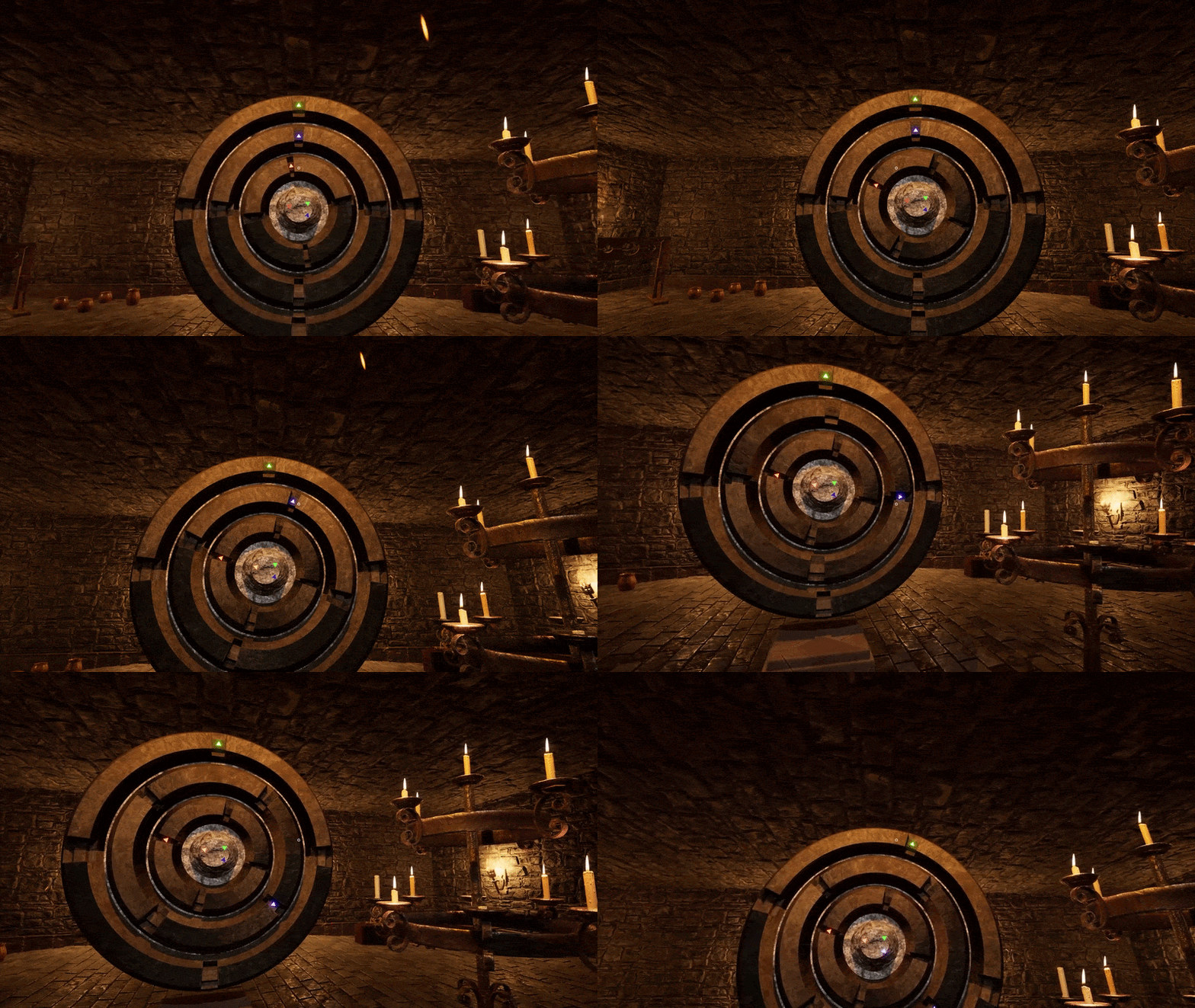
RING PUZZLE
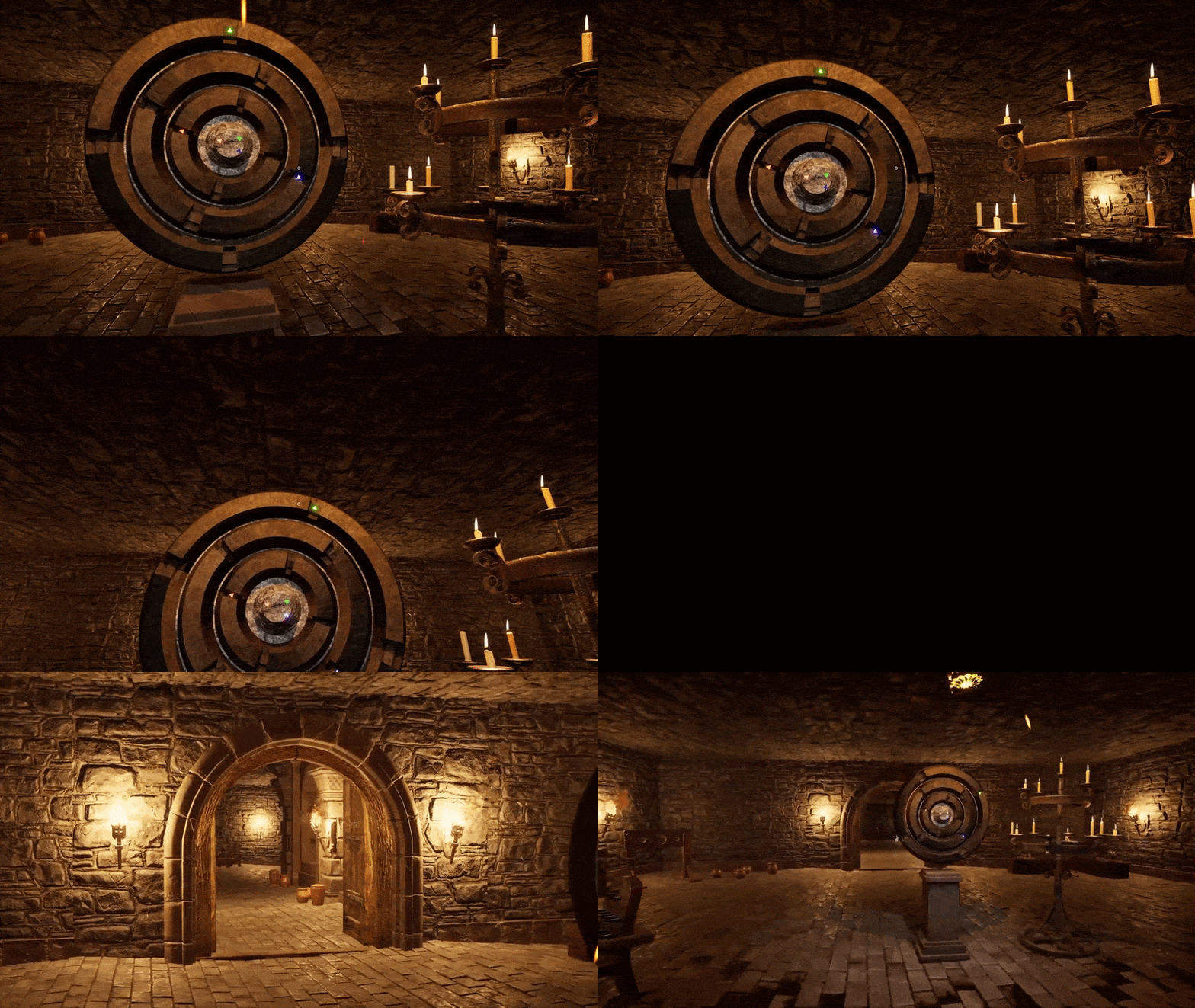
RING GATE
DESCRIPTION:
This system is built around a set of rotating rings that the player can turn left or right using Q and E. The goal is to align each ring so its pieces match the pattern shown in the center, and the puzzle checks whether all rings are in the correct position before allowing progression. Each ring works as its own interactive element, while the main puzzle logic tracks their current states and validates the full solution. The setup is done in Blueprints in a simple and reusable way, making it easy to adjust rotation values, change the correct positions, or expand the puzzle with more rings later.
PUZZLE 5 - AUDIO PASSCODE
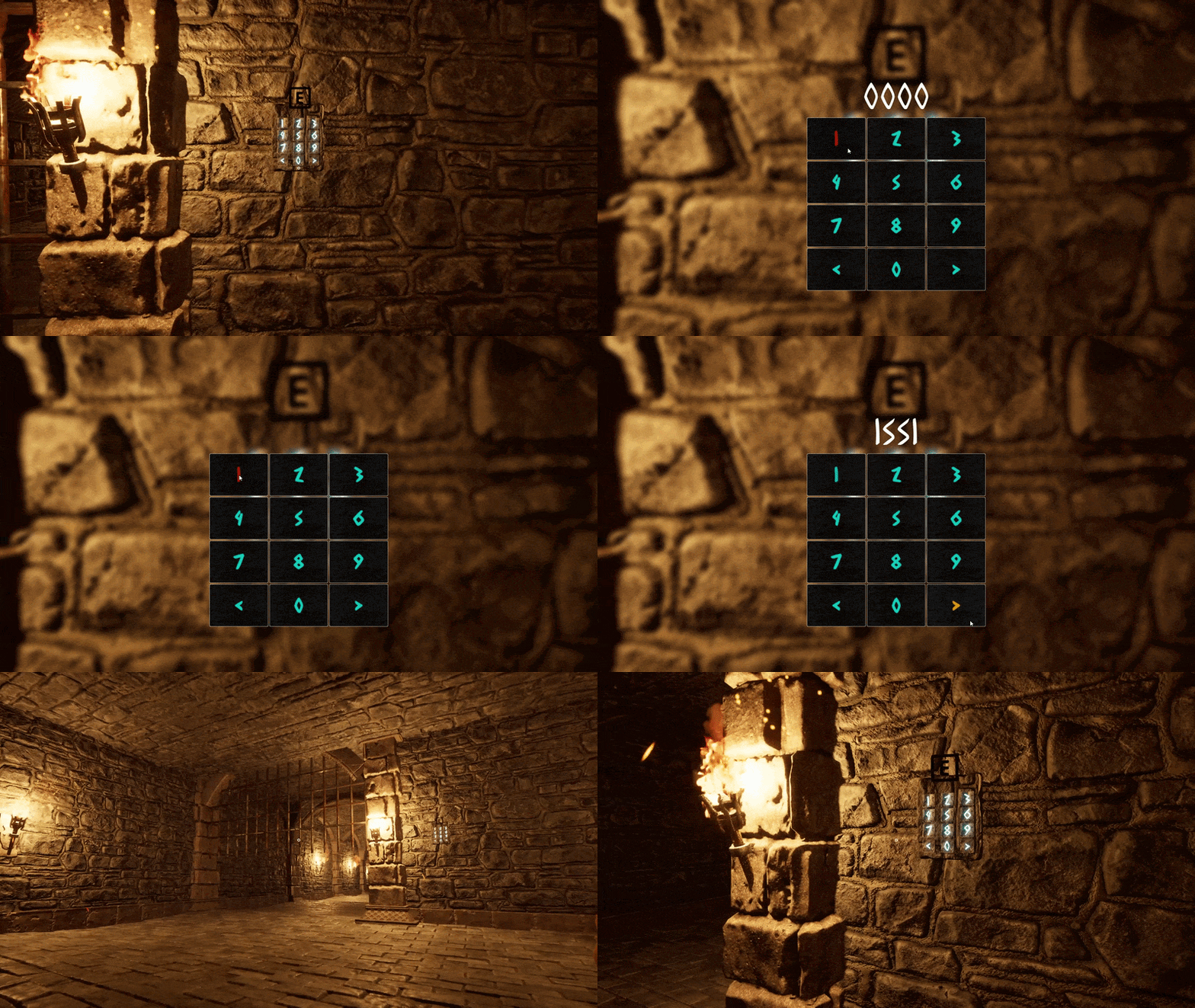
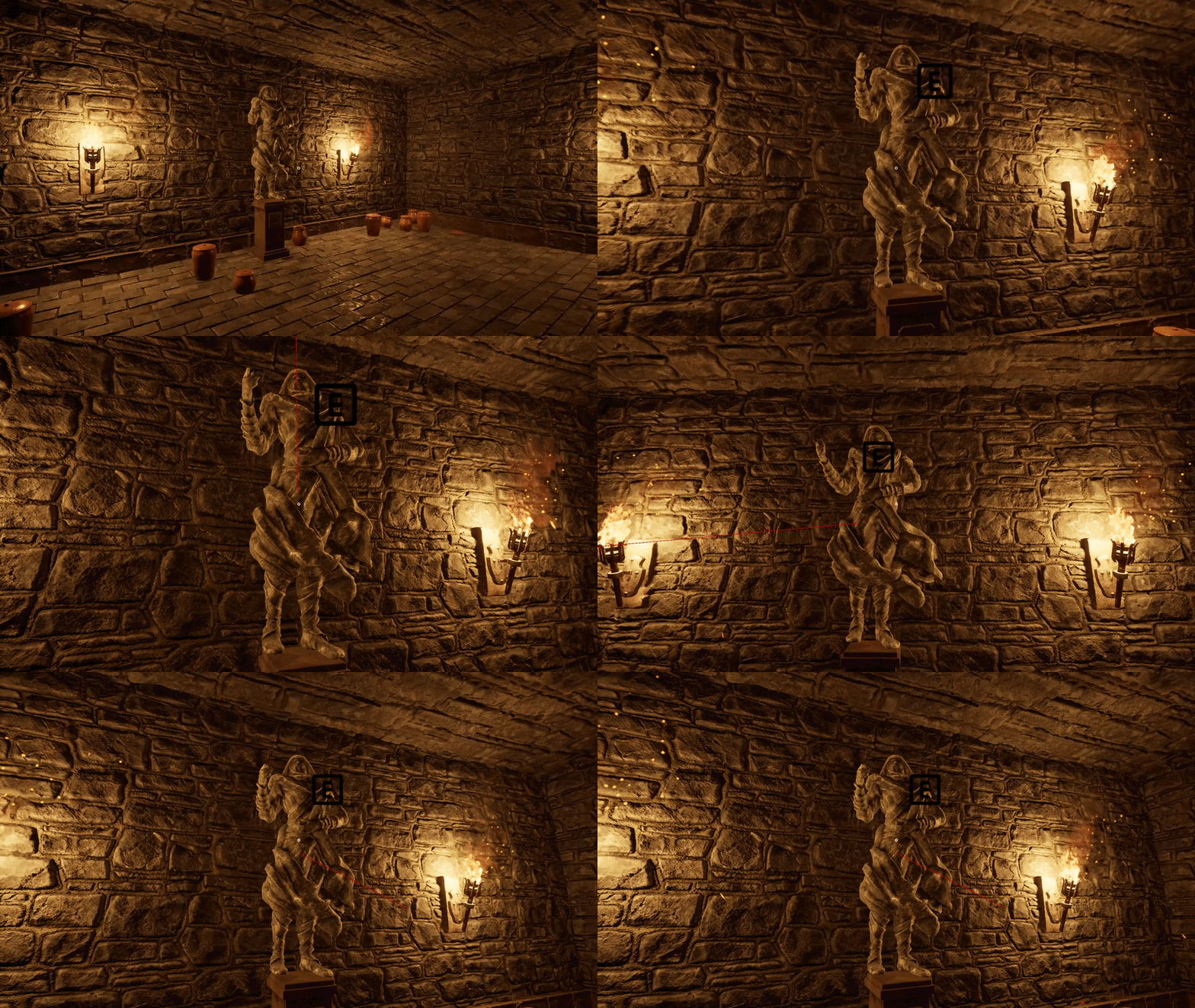
KEYPAD PUZZLE
KEYPAD INTERACTION
DESCRIPTION:
This system is built around a keypad interaction where the player enters a passcode based on audio clues found in the level. Each button press updates an input sequence, which is stored and checked against the correct code once the player confirms the entry. The logic tracks the input order, handles validation, and triggers the gate to open only when the correct sequence is entered. Everything is handled through Blueprint UI and interaction logic, making it easy to change the code, update the input flow, or reuse the same system for different puzzles with different audio hints.